
Written by Andy Nettis
Video Credit: Crave
In the world of sports romance, few stories capture intensity quite like Heated Rivalry. At its core, the novel is about competition, secrecy, and desire—but beneath all that, it’s also a story about identity. And oddly enough, one of the most overlooked symbols tied to that identity—both in hockey culture and beyond—is the beard.
For a podcast like The Glorious Beard, this connection is richer than it might seem at first glance.
The show isn’t about just desire, it’s also about recognition for the LGBTQ+ community who play professional sports. Heated Rivalry, the book and show, have made it easier for players to come out to others about their sexuality. The show resonated with athletes, who reached out to the celebrities involved in the show, expressing that the program made them feel recognized and “seen.” Whether they have short and stubby beards to fully grown out beards, they still came out. People have always thought that beards were tied to the idea of masculinity. But in hockey, the symbol has an even stronger meaning; a mask or shield for their vulnerability of being who they are.
In Heated Rivalry, masculinity isn’t one-dimensional, the characters challenge the traditional mold of NHL.
They are fierce but also vulnerable, conflicted, and deeply emotional. From Shane not being able to come out to his parents because he was afraid of what his parents might think of him, to Ilya not being able to come out because of his nationality or to Scott being afraid of what might happen to him if his fans knew he was gay.

Photo credit: people.com /Jonathan Kozub/Getty Images
Back in 2021, a NHL player named Luke Prokop became the first ever openly gay NHL player and the only one yet. While his announcement was widely supported, it also highlighted how rare it still is for players in professional hockey to feel safe enough to come out. The culture of the sport—rooted in toughness, silence, and tradition—has not always made space for openness when it comes to identity.
This is where Heated Rivalry becomes more than just a romance story.
It reflects a reality that many athletes may still be living: navigating who they are in a space that demands they be something else. The characters in the novel are fictional, but their fears are not. The pressure to conform, to protect an image, and to avoid disrupting the expectations of fans, teammates, and even entire countries is very real.
In that sense, the beard becomes more than just a symbol of masculinity—it becomes part of the disguise.
In hockey, the beard has long been associated with grit and endurance, especially during playoff season. It represents survival, toughness, and unity. But when viewed through the lens of Heated Rivalry, it can also be seen as something else entirely: a way to blend in. A way to look the part so no one questions what lies underneath.
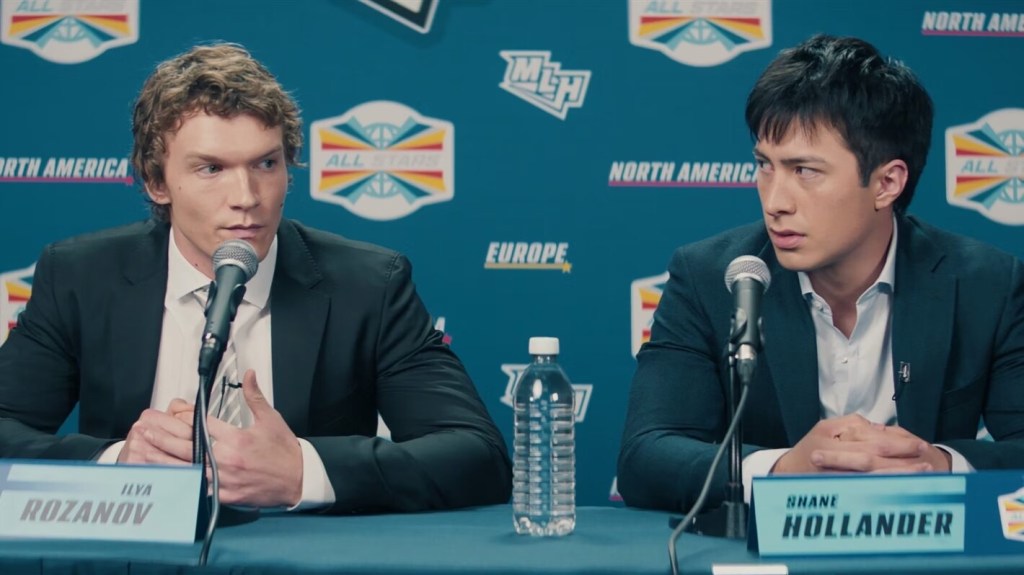
Photo credit: swoon.com /Crave Original
For players like Shane Hollander and Ilya Rozanov, identity is something that must be carefully managed. Their rivalry on the ice gives them cover, a public narrative that distracts from the truth of their relationship. Off the ice, however, they are forced to confront the parts of themselves that don’t fit into the rigid expectations of the sport.
This duality is what makes the story so powerful.
Masculinity, especially in hockey, has often been defined by what it excludes—emotion, vulnerability, difference.
But Heated Rivalry challenges that definition. It shows that strength isn’t just about physical dominance or emotional restraint. It’s also about honesty, courage, and the willingness to be seen for who you truly are.
And that’s where the symbolism of the beard begins to shift.
Instead of representing only toughness, it becomes something more layered. It can still be a sign of strength—but not the kind that hides. Rather, the kind that endures despite fear. The kind that exists even when the world isn’t ready for it.
For The Glorious Beard podcast, this opens up an important conversation. Beards are often celebrated for their aesthetic, their style, and their cultural significance. But they can also tell deeper stories about identity and self-expression. In the context of hockey and stories like Heated Rivalry, they remind us that what we see on the surface is rarely the full picture.
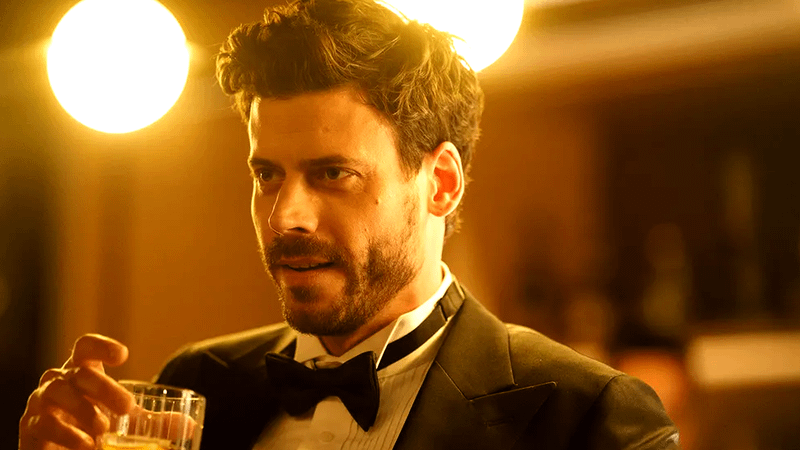
Photo credit: thedirect.com /Crave Original
The players we watch—whether fictional or real—are navigating more than just the game. They are navigating expectations, perceptions, and the risk of being misunderstood or rejected. And sometimes, the very things that make them look strong are the same things they use to protect their most vulnerable truths.
As hockey continues to evolve, so too does its definition of masculinity. The conversation is slowly shifting, thanks to voices like Luke Prokop and stories like Heated Rivalry. There is still a long way to go, but each step forward makes it easier for the next player to live openly and authentically.
At the end of the day, Heated Rivalry isn’t just about competition or romance—it’s about identity.
It’s about what it means to exist in a space that doesn’t always accept you, and the strength it takes to carve out a place anyway.
And the beard—whether short, scruffy, or fully grown—stands quietly in the background of that story.
Not just as a symbol of masculinity.
But as a reminder that even the toughest exteriors can hold the most complex truths.
Heated Rivalry is now streaming on HBO MAX. For more beard stories, beard myths, beard facts and everything in between – be sure to listen to The Glorious Beard podcast, everywhere great podcasts found.

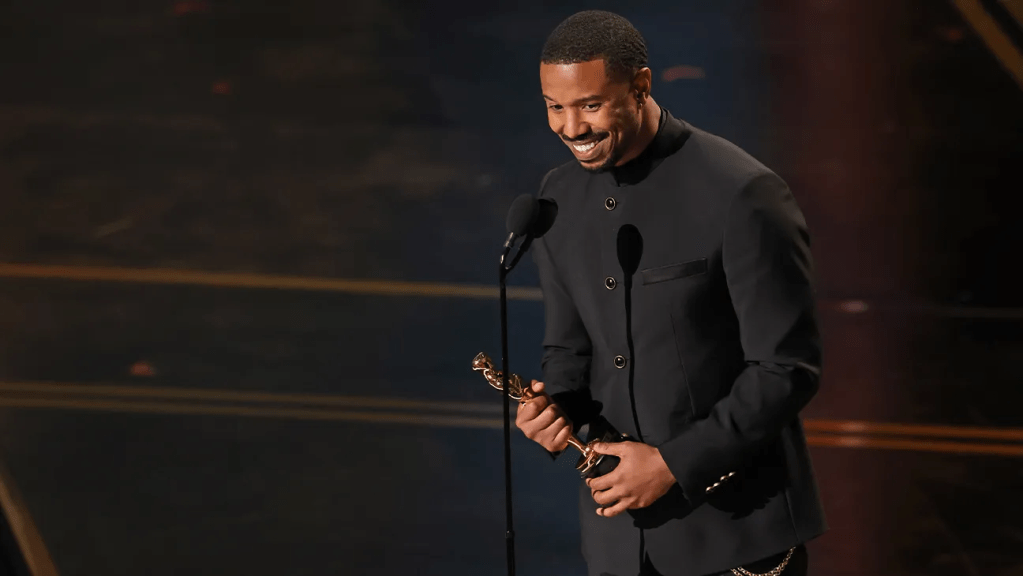

 The Glorious Beard Podcast
Leave a comment