
How Society Shaved the Beard — and Then Grew it Back
By Samantha Haase
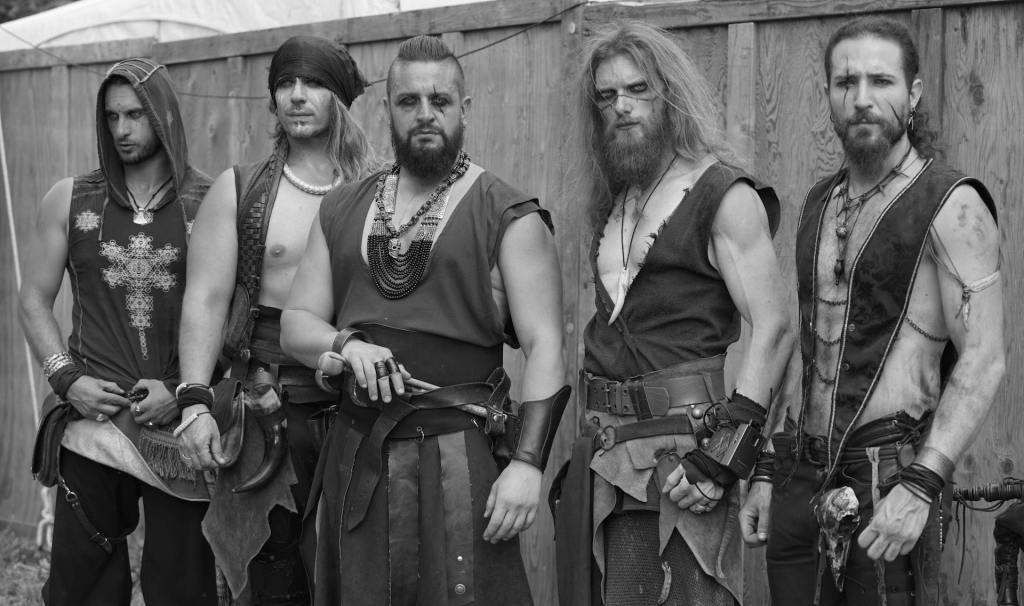
Once upon a time, the beard was the biggest fashion statement someone could make. A badge of honor and a symbol of strength and free will, the beard reigned supreme for centuries… until society decided to make the big cut, and remove the facial statement in favor of smooth faces, aftershave, and a clean jawline.
However, like most fashion statements over the years, the beard came back, this time with a vengeance. From hipster Gen X and millennial rock and roll bands to corporate CEOs, power was reclaimed by the beard, and so was its popularity. The history of the beard represents more than just one’s ability to grow it; it represents cultural norms and personal identity. Let’s dig into the rise, fall, and eventual reprise of The Glorious Beards.
Ancient Beards
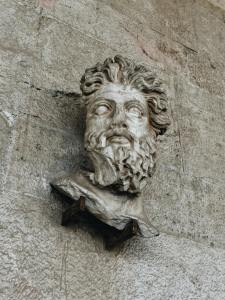
In our August 15th episode of The Glorious Beard podcast, we dug into the history of beards in ancient societies, and touched on beards in the new Gladiator movie. For the Greeks, a beard represented wisdom, and many philosophers had them. For the Egyptians, beards symbolized royalty among pharaohs.
Beards also held a spot in myths and folklore across the world too. In Norse mythology, Odin, the God of War and Thor, the God of strength and storm, were often represented as having beards, while Loki, the God of Mischief, was clean shaven. Beards also held Biblical strength: in Jewish culture, having a beard is a symbol of holiness and purity, and in some interpretations of the Torah, shaving is banned.
The Clean Shaven Upheaval
Have you ever looked at images of people from the 1800s and wonder, why do they all have beards? Well, the 1800s were a time where beards were at the forefront of society.
Society modernized in the 1800s due to the industrialization boom. With plenty of jobs working in factories and mass manufacturing, one would think having a beard would be frowned upon or even prohibited. Imagine the potential freak accidents…
But, it was actually the opposite. Besides becoming a status symbol of masculinity, having a beard became doctor’s orders. In the 1800s, beards were recommended especially for people in industrial fields because they believed it helped filter dust and debris in the air. They also provided warmth during cold seasons, and clergymen and public speakers often sported the mane because it was believed that a beard protected vocal cords.

In the 1850s, something really interesting happened: a bearded movement grew in European society. This movement held the belief that having beards was a sign of being upperclass, well kept, and even akin to royalty in the Victorian period. This isn’t something that happened overnight, but grew out of respect for the British Calvary in the 1840s, most, if not all of whom, wore moustaches and beards.
In the United States, civil war soldiers came home with beards as a badge of honor. Oh, and Abraham Lincoln who was president at the time rocked one too.
Gillette, a company dedicated to shaving and beard upkeep, was founded some time in the early 1900s, as well. Despite many imitators of the brand, the Gillette Company held steady even through the Great Depression, and is now a billion dollar company known worldwide.
Corporate Conformity

Fast forward to the 1900s, and with the advancement made in germ theory and health and hygiene, beards came to be frowned upon. Once thought of as the highest pillar of masculinity and revered by many, they had now been rebranded as dirty, unclean, and a sign of low class.
Remember Gillette? Their safety razor that stayed constant in society became a necessity as opinions shifted against beards. During the world wars, military norms favored clean faces, and in post world war two society, beards were seen as a sign of rebellion. Some workplaces, like banking, legal, and government, banned and discouraged beards. Think about it: at least in the American historical context, almost every president had a clean shaven face— except for five, which ironically, only existed between the 1860s and 1890s.
In the sixties, like what happens with every generation, beards became popular among artists, hippies, and civil rights activists as a push against societal norms. This extended on into more recent decades, when beards became synonymous with rebellion.
Rebellious Beards
Sex, drugs, and rock and roll culture became the rage in the years during and following the sixties. With that came push back against modernity and embracing the tradition of a nicely grown, healthy beard. Legendary rock band ZZ Top, formed in 1969, probably hold one of the most iconic mascots of all time— a top hat, complete with a killer beard attached to all three members. Jerry Garcia, frontman for The Grateful Dead also held onto his beard up until his death.
Other celebrities, like Willie Nelson, became so synonymous with the look that it’s near impossible to separate him from his beard. The country singer purposely grew out his beard in protest of corporate Nashville country music when he moved to Austin Texas to embrace a new “Outlaw Country” subgenre, partly headed by fellow bearded musician Waylon Jennings.
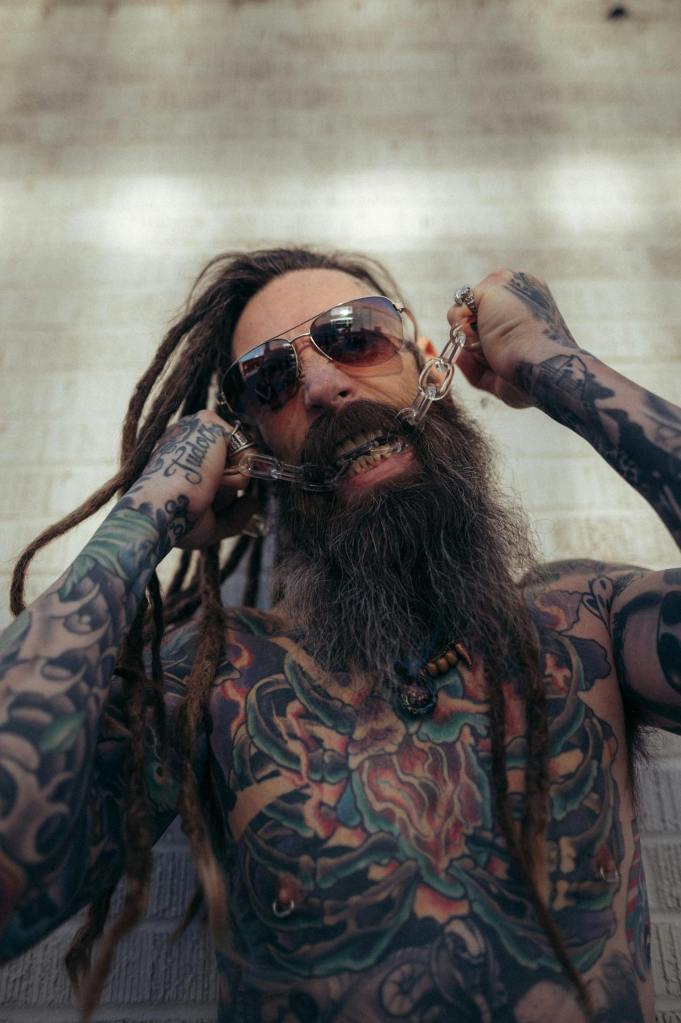
Seriously, have you ever seen a picture of Willie Nelson without his beard? We have, and it’s a little unnerving.
The Bearded Renaissance
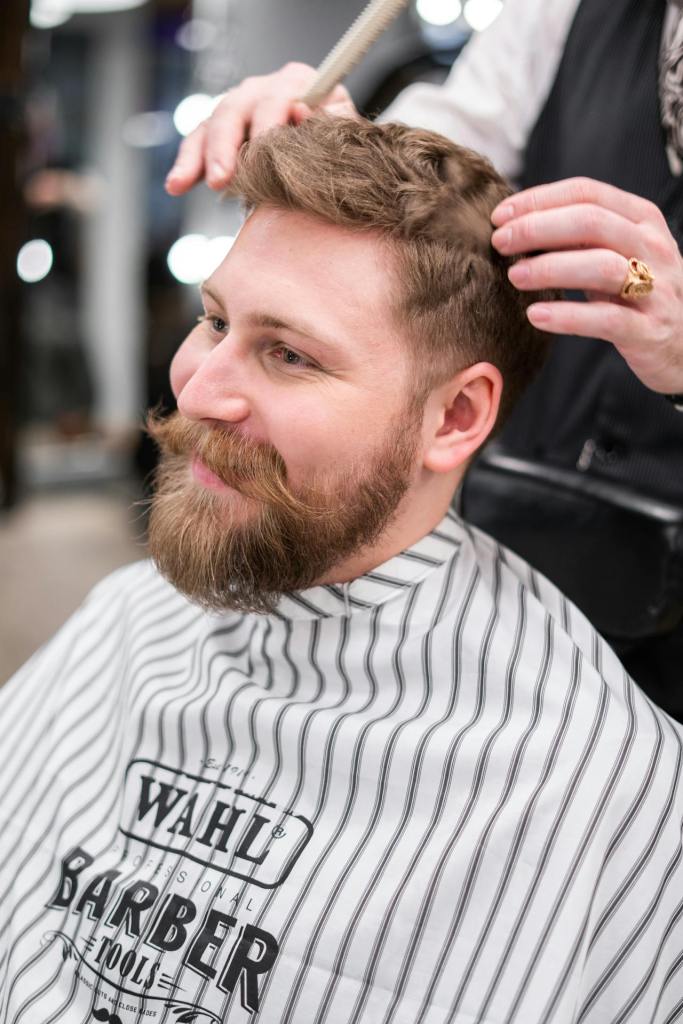
Fast forward to the 2000s and the new century, and beards slowly began to experience a revival. While corporations still generally discouraged beards wearing (UPS didn’t revise their beard policy until 2022,) hipster millennials brought the beard back in waves.
In the 2010s, beards grew in length (no pun intended.) Celebrities began sporting beards, which meant they were cool again, and barbershops began focusing on beard upkeep.
Now, take one scroll through TikTok and Instagram with specific keywords, and one can find hundreds of videos dedicated to beard maintenance. Because now, beards are an art form, in a variety of textures and styles. Some like a short, minimal beard, while others vie for something longer, shifting the focus on personal preference and style.
You can listen to our podcast of even more bearded proportions everywhere great podcasts are found, or by clicking on the episodes link.


 The Glorious Beard Podcast
Leave a comment